Best Harness for Tracheal Problems in Dogs
Share
A dog with a sensitive airway will tell you fast when gear is wrong: one excited lunge, one cough, and suddenly your “quick walk” turns into you carrying your dog home while they hack and wheeze. If your dog has tracheal collapse, chronic tracheitis, a history of coughing with collar pressure, or just a small-breed “honking” cough that flares up on leash, the goal is simple - stop loading the throat.
That is the entire job of the best harness for trachael problems: keep leash pressure off the neck while still giving you real control in the moments that trigger coughing.
What “tracheal problems” change about gear selection
Tracheal issues are often made worse by pressure on the front of the neck. A flat collar, a slip lead, or any setup that tightens under tension can turn normal leash feedback into direct compression on a vulnerable airway.
A harness doesn’t “treat” a tracheal condition, but it can remove one common trigger: mechanical pressure on the trachea. That matters for calm neighborhood walks and it matters even more for high-arousal moments like seeing a squirrel, greeting another dog, or stepping out of the car at a trailhead.
There’s also a performance angle here that many owners miss. Dogs with airway sensitivity still need safe movement - sniffing, walking, training, and in many cases gradual conditioning. The right harness supports that without punishing the throat every time your dog gets enthusiastic.
Best harness for tracheal problems: the design features that matter
The best harness for tracheal problems is not just “any harness.” Some designs still ride up into the soft tissue at the base of the neck, especially on small dogs, short-necked breeds, barrel chests, or dogs in between sizes. Here’s what to prioritize.
A true no-choke chest pull point
Look for a leash attachment that sits on the chest or back in a way that directs force into the sternum and ribcage, not the windpipe. When a harness is correctly shaped, tension spreads across the body’s structure instead of focusing on the throat.
A common failure mode is a harness that looks fine standing still but shifts forward under load. If the front strap creeps up toward the neck when your dog pulls, it’s not doing the job you bought it for.
Full padding where friction actually happens
Tracheal-problem dogs are often walked in a harness every single day, sometimes multiple times a day. Padding is not about being “soft.” It’s about preventing hotspots when the dog moves, twists, sniffs low, or trots for miles.
Pay attention to the girth strap area behind the front legs. That’s where chafing shows up first, especially on athletic dogs that cover ground. Full padding through the contact points reduces rubbing and keeps the harness stable so it’s less likely to migrate toward the neck.
Adjustability that matches real canine bodies
For tracheal issues, fit is everything. A harness that’s “close enough” can still slide into the throat zone under tension. You want enough adjustment range to lock the chest and girth in place without over-tightening.
If your dog is between sizes, has a deep chest, a narrow waist, or a fluffy coat that compresses, you need a harness that can be tuned - not just tightened.
Low-profile, movement-friendly construction
Bulky harnesses can restrict shoulder extension, which changes gait and can make some dogs pull more because their movement feels blocked. More pulling means more force - and while that force may not be on the trachea, it still increases arousal and can worsen coughing episodes.
A good performance harness sits close to the body, stays put, and lets the front end move naturally.
Easy on/off that doesn’t require head wrestling
Many dogs with airway sensitivity also dislike having straps passed over their head, especially if they’ve learned to associate gear with coughing or restraint. Step-in or easy-on styles reduce the “fight” before the walk and keep handling calmer - which can reduce the excited pulling that triggers coughing.
Reflective visibility that supports safer handling
If you’re walking early, late, or during winter low-light, reflective elements aren’t a nice-to-have. They’re a control feature. Visibility gives drivers and cyclists more time to react and gives you more confidence to keep the leash short and controlled without resorting to collar corrections.
Fit checks that keep pressure off the throat
Even the best design fails with sloppy fit. Use these checks before you commit to a harness for a dog with tracheal problems.
First, look at where the front of the harness sits when your dog is standing naturally. It should sit low enough on the chest that it’s clearly below the throat, and it should not touch the soft front of the neck.
Next, clip the leash on and apply light tension while your dog leans forward. Watch for migration. If the harness rides up toward the neck when your dog pulls, it’s likely to do the same during real-world triggers.
Then check the armpit clearance. You want enough space to prevent rubbing behind the front legs while still keeping the harness stable. Too loose equals sliding and twisting; too tight equals chafing and restricted movement.
Finally, check symmetry. If the harness sits crooked, it will pull crooked under tension, and that’s when straps creep forward into the neck zone.
“It depends”: matching harness style to your dog’s behavior
Common mistakes that make coughing worse
Some gear choices accidentally recreate collar pressure.
One is using a harness that sits too high on the neck because the dog is “hard to fit” or because the owner bought for weight instead of chest measurements. Another is leaving the harness loose for comfort, which often makes it slide forward and up.
A third is relying on thin straps because they look lightweight. Thin webbing can concentrate pressure and increase rubbing. Wider, padded contact zones spread force out and tend to stay more stable on moving dogs.
Also watch leash handling. Even with a harness, constant tight-leash walking can keep your dog in a state of forward pressure and arousal. For a dog with tracheal issues, that can mean more coughing even if the throat isn’t being directly compressed.
What to look for if your dog is truly active
If your dog hikes, runs, trains, or does sport work, you need a harness that behaves like equipment.
Sweat, water, mud, and repetitive motion expose weaknesses fast: straps that twist, buckles that rub, stitching that fails, and reflective bits that peel. For airway-sensitive dogs, durability is also a safety factor. If gear breaks on a trail or in a parking lot, the scramble to regain control is exactly the kind of high-stress episode that can trigger coughing fits.
A performance-first harness should stay comfortable when wet, resist chafing over distance, and stay easy to handle with cold hands or gloves. That’s when “easy on/off” becomes more than convenience - it’s risk reduction.
One brand-style example that fits the brief
If you want a harness built around a [no-choke fit)
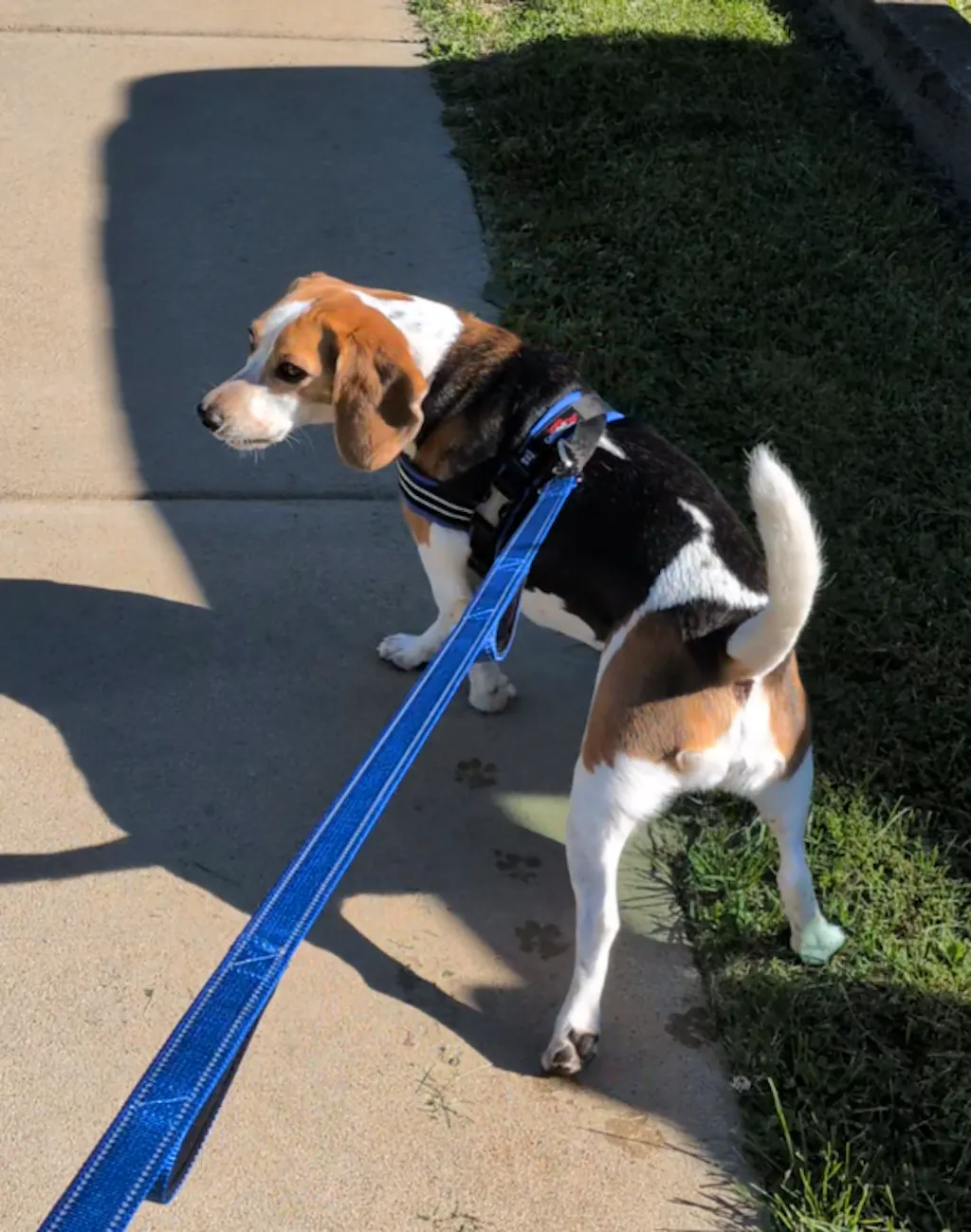
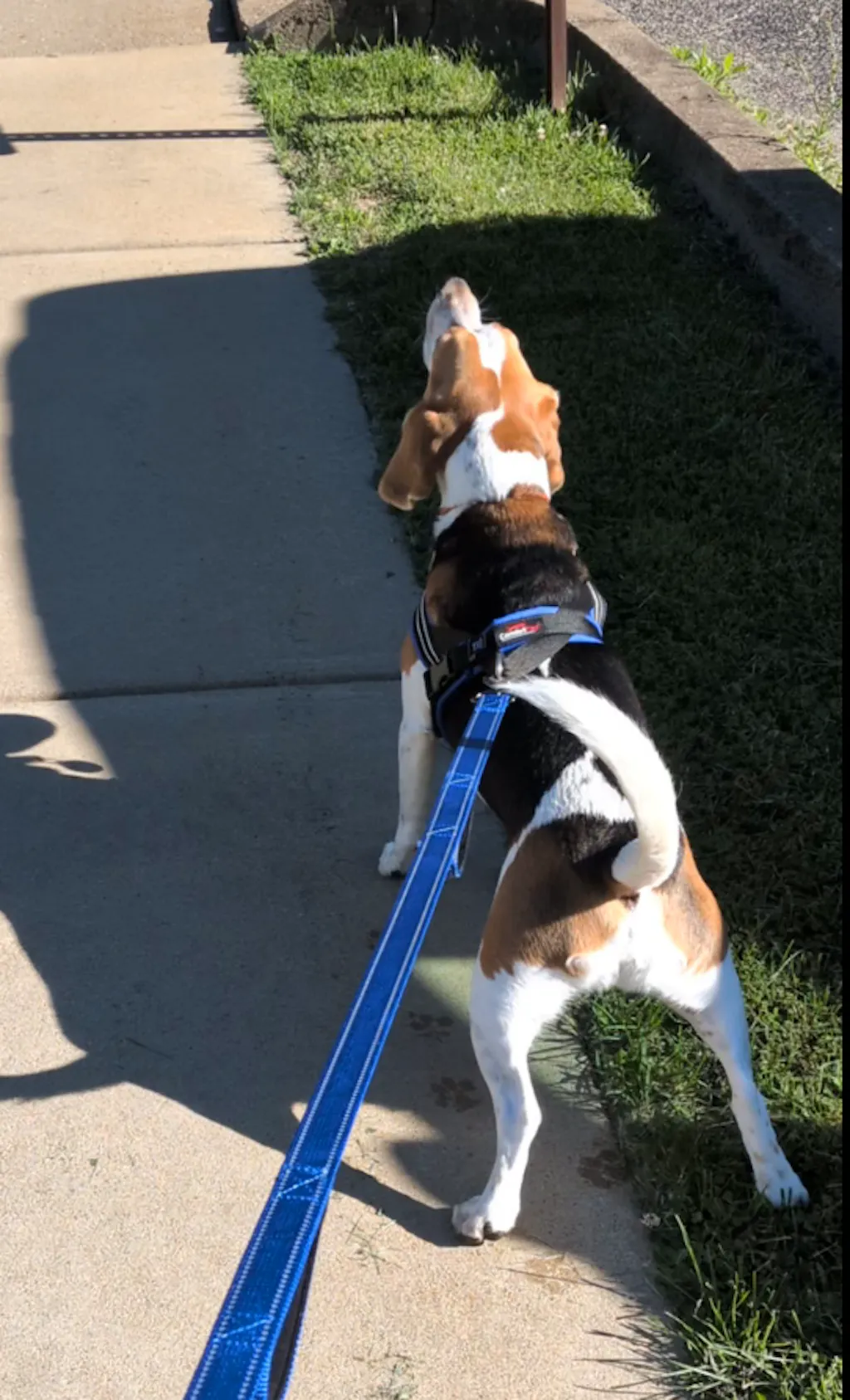
Check out the American made ComfortFlex Sport Harness with full padding (including the girth strap), reflective visibility, and easy on/off for moving dogs, The ComfortFlexStore positions its gear specifically for active handling rather than casual accessory use. You can see sizing and fit guidance by watching the sizing video on the ComfortFlex site and that matters because a great harness design only helps if it’s fitted to stay off the throat under real leash tension.
When a harness is not enough
Some dogs cough even with perfect harness fit because the trigger isn’t just pressure - it’s excitement, heat, airway inflammation, or an underlying collapse that’s progressing. If your dog has frequent coughing spells, exercise intolerance, gagging, or episodes that worsen at night, it’s worth involving your veterinarian. Gear is part of a management plan, not a replacement for medical care.
Also consider the environment. Cold air, smoke, heavy pollen, and high humidity can all change how your dog tolerates exercise. A harness that keeps the throat free gives you the best mechanical setup, but you still may need shorter sessions, slower warm-ups, and calmer exits from the house to keep coughing from spiraling.
A good rule: if your dog’s cough escalates during walks, reduce intensity first, not just equipment.
A closing thought for active owners
The right harness doesn’t just prevent choking - it keeps your dog available for training, miles, and everyday freedom without that constant fear that one quick pull will set off a coughing fit. When the throat is protected and the fit stays stable under motion, you get something that feels simple but is actually huge: calmer handling, steadier breathing, and a dog that can keep doing dog things safely.
Why Buy Direct: The "Risk-Free" Direct Advantage
-
Risk-Free Domestic Shopping: Every US order ships Free and includes a prepaid return label in the box. If the fit isn't perfect or you aren't completely happy, exchanging for a different size or color is effortless.
-
Fast Factory Processing: We ship every order the same day or the following business day.
-
Maximum Savings: Big-box retailers charge high fees to list on their sites. By buying direct, those savings stay with you. Stack our Bundle Discounts with our First-Time Subscriber offer to save nearly 30%.
-
$7.00 Flat-Rate International: Simple, transparent shipping to any dog athlete worldwide.
-
Guaranteed Fresh Inventory: Your gear comes straight from our clean, climate-controlled New York manufacturing floor—never sitting in a third-party warehouse.
Free US Shipping | Prepaid Return Label Included