The "Goose Honk" Warning: A Comprehensive Guide to Tracheal Collapse in Dogs
Share
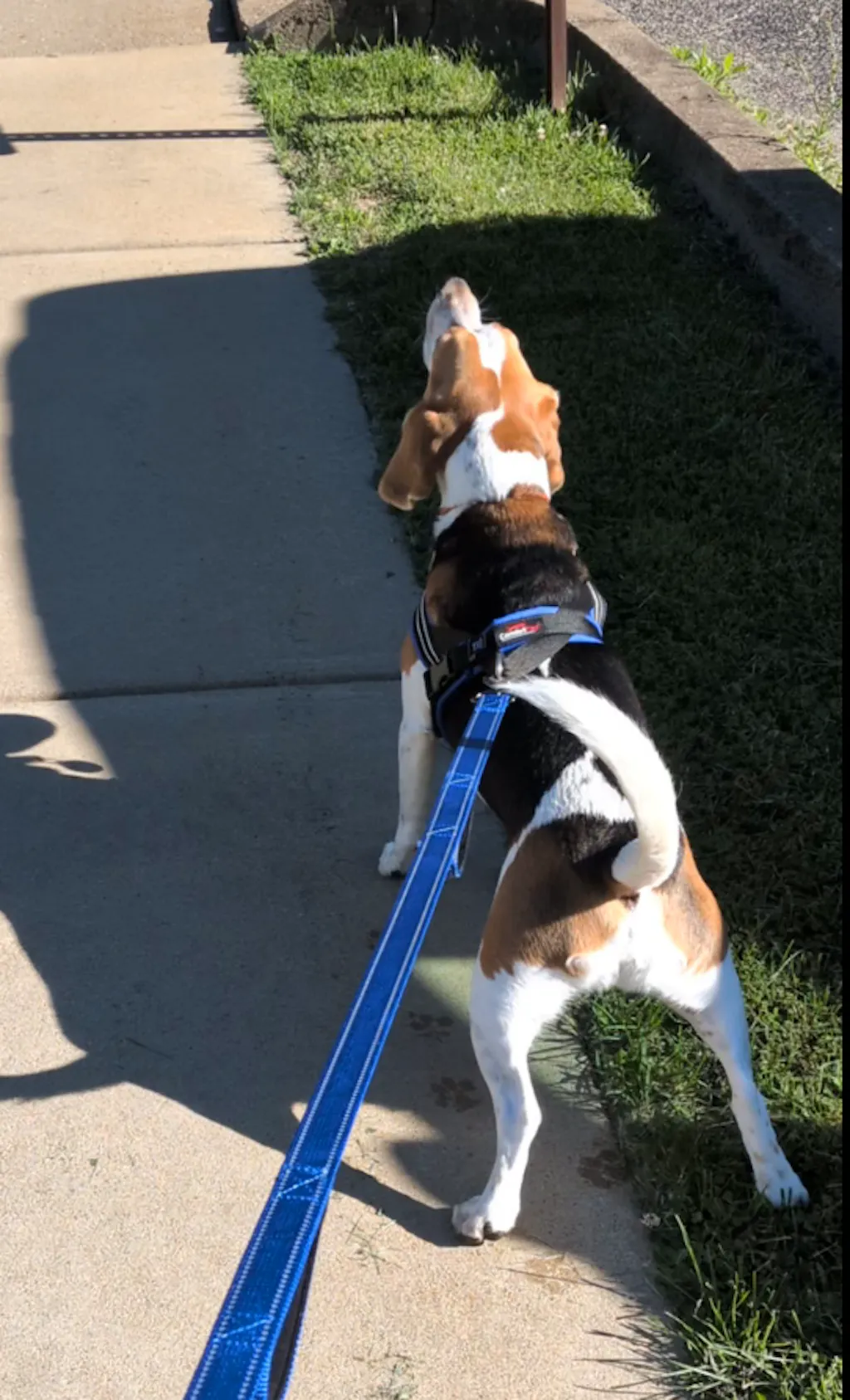
If you have ever heard your dog emit a sudden, rhythmic sound that mimics a honking goose, you know how jarring it can be. For many pet owners, the first instinct is to assume the dog has something caught in its throat or is experiencing a "reverse sneeze." However, in the world of canine physiology, that "honk" is a biological siren.
It is the primary clinical symptom of Tracheal Collapse—a progressive, structural condition of the airway that requires immediate lifestyle adjustments to prevent long-term respiratory failure.
Understanding the Anatomy: What is a "Collapse"?
To understand the "honk," we first have to look at the engineering of the canine windpipe. The trachea is a flexible tube that serves as the primary highway for oxygen. To keep this highway open during movement and breathing, the trachea is supported by a series of C-shaped rings made of hyaline cartilage.
In a healthy dog, these rings are rigid and "springy." They maintain the circular shape of the airway even when the dog is panting or sniffing. However, in dogs with tracheal collapse, these rings begin to lose their cellular integrity. They become weak, soft, and lose their "C" shape, eventually flattening out.
When the dog breathes in, the pressure causes this softened tube to narrow. As air is forced through this restricted space, the soft tissues vibrate—much like a reed in a woodwind instrument—creating the signature honking sound.
Why the "Honk" is a Warning, Not Just a Symptom
The honking sound is more than just a noise; it is an indication of mechanical friction. Every time your dog honks or coughs, the internal lining of the trachea (the epithelium) is being irritated. This irritation causes:
- Inflammation: The airway swells, making the passage even smaller.
- Mucus Production: The body tries to "lubricate" the irritation, but the excess mucus further blocks the airway.
- The Vicious Cycle: The dog coughs to clear the mucus, which further irritates the trachea, leading to more coughing.
If this cycle is not broken, the cartilage rings will continue to flatten until the airway is permanently compromised.
The High-Risk Breeds: Is Your Dog Predisposed?
While any dog can technically develop tracheal issues due to injury, the vast majority of cases are found in "toy" and small breeds. Genetics play a massive role in the strength of tracheal cartilage. If you own any of the following, the "honk" should be treated with the highest level of vigilance:
- Yorkshire Terriers: Statistically the most likely breed to suffer from this condition.
- Pomeranians and Toy Poodles: Often show symptoms in middle age.
- Pugs and Chihuahuas: Their unique neck and head anatomy can put additional strain on the respiratory system.
- Lhasa Apsos and Shih Tzus: Brachycephalic (flat-faced) traits can exacerbate the breathing difficulty.
The Danger of "Neck-Based" Control
For a dog with a weakening trachea, a traditional neck collar is the single greatest environmental threat they face. When a dog wears a collar, the point of contact is directly over the mid-to-lower trachea. Even if your dog is a "good walker," a single sudden lunge applies concentrated, blunt-force pressure to the tracheal rings.
For a dog already dealing with softening cartilage, this pressure can cause an acute collapse. It is the equivalent of stepping on a paper straw; once it is crushed, it never quite returns to its original, perfectly round shape.
Veterinary Consensus: In cases of tracheal collapse, weight management and the permanent removal of neck collars are the two most effective non-surgical interventions available.
Engineering the Solution: Why Harness Design Matters
Once a diagnosis of tracheal collapse is suspected, the goal shifts from "cure" to management. Since we cannot easily "regrow" cartilage, we must eliminate all external triggers that cause the honking cycle. This is where the distinction between a "fashion harness" and a "functional harness" becomes life-saving.
How to Ensure a Tracheal-Safe Fit
Proper sizing is critical to ensure the chest strap sits below the sensitive airway. Watch our quick guide:
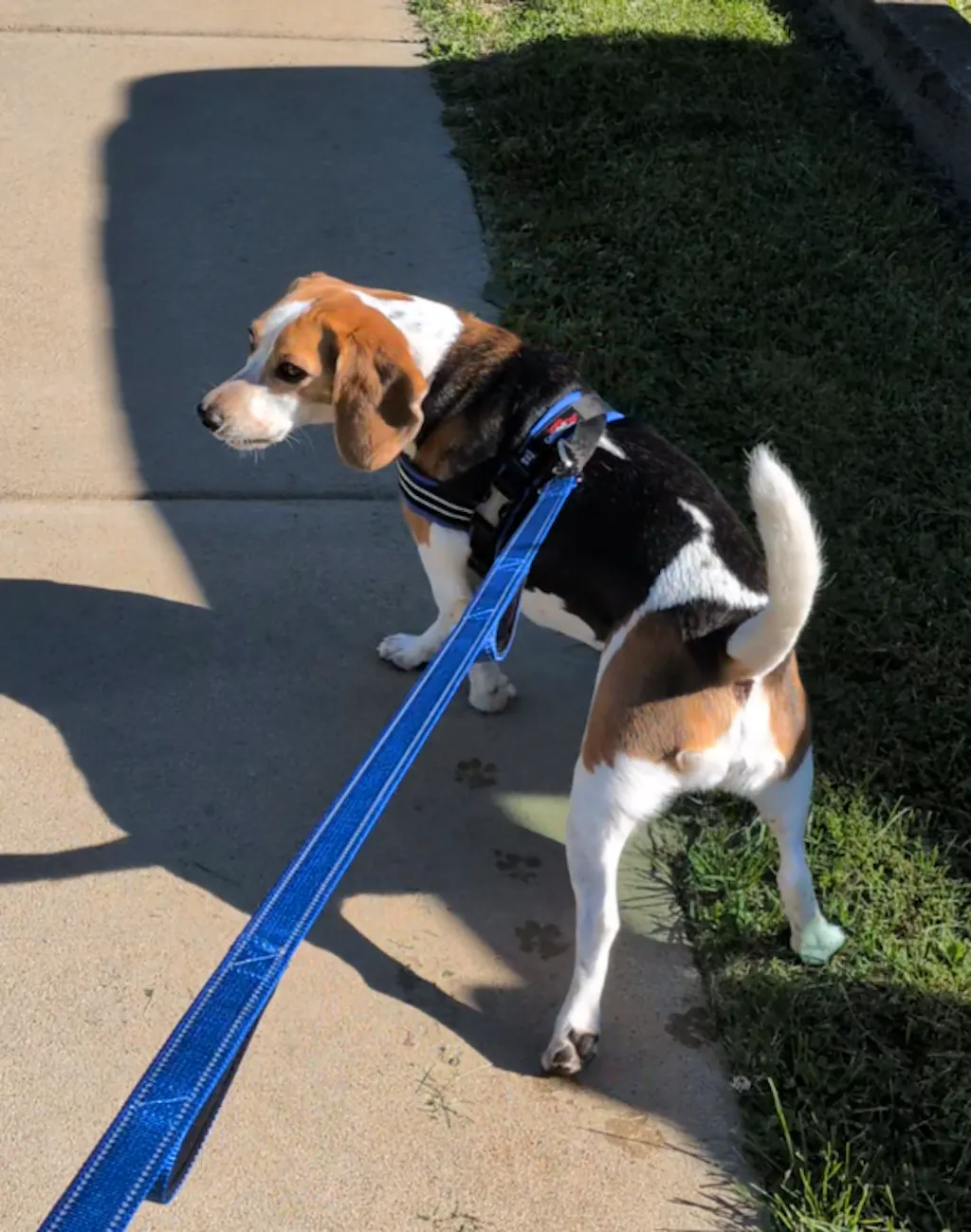
To protect the trachea, a harness must meet three specific engineering criteria, all of which are built into the ComfortFlex Sport Harness:
1. The "Low-Profile" Chest Plate
The harness must sit well below the "V" of the neck. A true tracheal-safe harness uses a horizontal chest strap that rests against the prosternum (the bony part of the chest). This ensures that even under heavy tension, the force is absorbed by the skeletal structure of the chest, not the soft tissues of the throat.
2. Elimination of the "Choke Point"
Standard "Step-in" harnesses often create a tightening effect around the shoulders and neck, which can trigger the "honk." Our Norwegian-style design provides a secure, "loose-fit" feel that allows your dog to breathe deeply without feeling squeezed.
3. Balanced Force Distribution
The leash attachment point is centered on the back, behind the shoulder blades. This stability prevents the "sideways torque" that can cause a dog to gasp or gag during a walk.
Protect Your Dog's Airway Today
Give your dog the freedom to breathe easy with the ergonomic ComfortFlex Sport Harness—American made for quality and safety. Free Domestic Shipping & Free Return Tag Included
Lifestyle Adjustments to Break the Cycle
Beyond changing your gear, managing a "honking" dog requires a multi-faceted approach:
- Weight Management: Excess fat around the neck and chest puts constant pressure on the airway. Dropping even 10% of body weight can significantly reduce coughing bouts.
- Heat & Humidity Control: Hot air is harder to breathe. Keep at-risk dogs in air-conditioned environments during peak summer months.
- Filtered Air: Second-hand smoke, strong perfumes, and dust can trigger the inflammation cycle.
- Calm Environments: Excitement leads to rapid inhalation. Try to keep greetings and play sessions at a lower intensity level.
Final Thoughts: Prevention is Better Than a Cure
Tracheal collapse is a daunting diagnosis, but it is not a death sentence. By recognizing the Goose Honk as an early warning sign, you can take the necessary steps to protect your dog’s airway before permanent damage occurs.
Switching to a chest-led harness system isn't just about comfort; it's about preserving every breath your dog takes. Protect the throat, support the chest, and listen to what that "honk" is trying to tell you.