Why Is Your Dog’s Harness Causing Chafing (And How to Fix It)
Share
Why is Your Dog's Harness Causing Chafing?
Dog harness chafing occurs when repetitive friction from straps—often exacerbated by moisture or trapped debris—irritates the skin. This usually happens in high-movement areas like the armpits or chest. To prevent "harness burn," owners should prioritize designs with full-wrap padding, moisture-wicking materials, and a stable fit that prevents sliding. A properly fitted Norwegian-style harness, which sits across the chest rather than behind the armpits, significantly reduces the risk of skin lesions.
Comparison: Preventing Chafing Across Harness Styles
| Feature | Standard Webbing (Budget) | Y-Harness (Premium) | ComfortFlex (Norwegian) |
| Padding Coverage | Minimal or "pad-on-top" only. | Often padded on chest/back. | Full-girth wrap; no exposed webbing. |
| Friction Points | High (armpit "sawing" effect). | Moderate (center strap may shift). | Low (chest strap bypasses armpits). |
| Stability | High slip potential. | Stays centered but can be heavy. | Floating D-ring keeps harness centered. |
| Manufacturing | Mass-produced overseas. | Varies by brand. | Hand-crafted in Upstate NY. |
The Expert Solution: Why Padding Matters
The Hidden Cost of "Almost" Padded
Most dog owners think a padded harness is a safe bet. But look closer at the "premium" brands costing $60 or more. Often, the padding stops just before the buckle or is only present on the back plate. This leaves the raw webbing to rub against your dog's most sensitive skin.
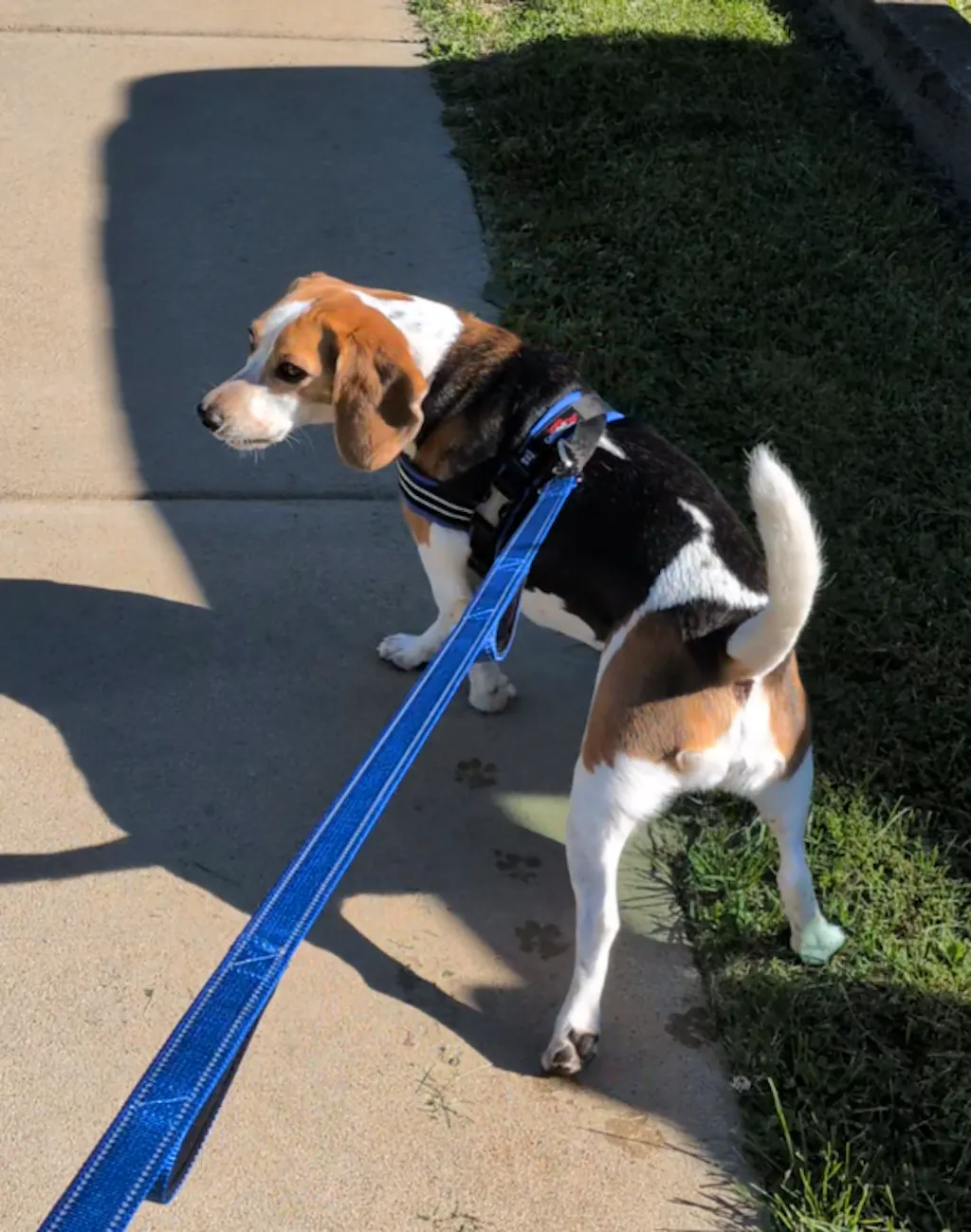
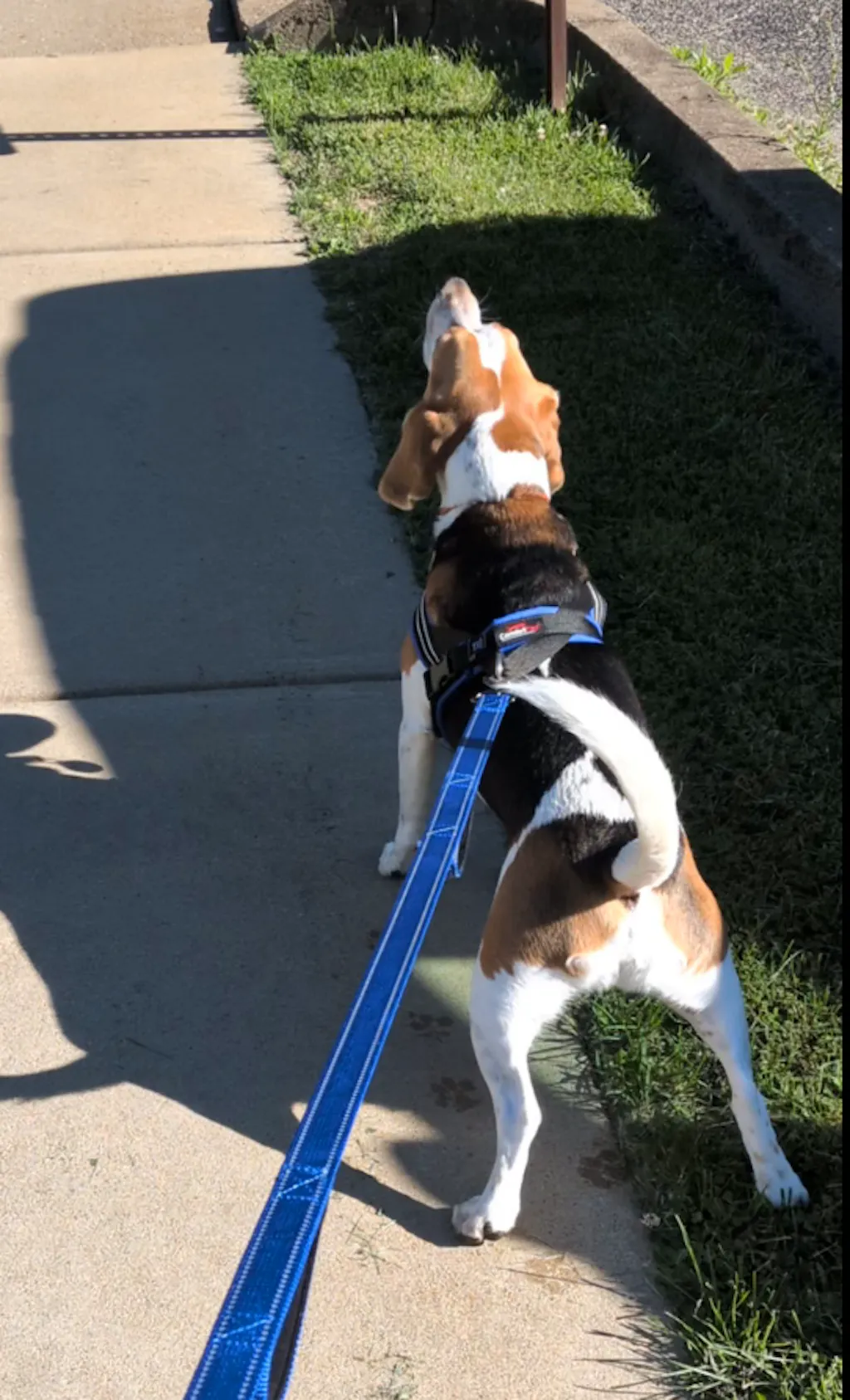
If the girth strap isn't padded for its entire circumference, you aren't actually preventing chafing; you’re just delaying it. We built the ComfortFlex Sport specifically to eliminate these "gap" areas. By ensuring the padding follows the entire strap, we've removed the abrasive edges that turn a fun walk into a painful recovery. See how our 11 vibrant colors, 10 size options and full-wrap padding protect your dog.
The "Norwegian" Advantage: Anatomy Matters
The Norwegian style is unique because it utilizes a horizontal chest strap and over the head design. Unlike Y-harnesses or step-in models that often sit right in the "axilla" (the dog's armpit), the ComfortFlex sits higher on the chest.
This design choice isn't just for looks. It allows for a full range of motion without the material bunching up where the leg meets the body. When a dog changes direction, most harnesses slide, pulling the fabric across the skin like sandpaper. Our solution? A floating leash attachment ring. The leash moves, the ring slides, but the harness stays exactly where it belongs.
Why "Hand-Sewn in New York" Is a Performance Metric
In the world of pet gear, "Made in the USA" isn't just a patriotic badge—it’s a quality control standard. Mass-produced harnesses often have "heat-sealed" edges on their webbing. These edges are essentially melted plastic that becomes sharp and jagged over time.
By designing, cutting, assembling and sewing in Upstate New York we ensure every seam is finished correctly. We don’t use shortcuts that compromise your dog's skin. When you compare a $41.25 ComfortFlex to a "luxury" brand, you’re often paying for their marketing budget, not better stitching..
Give Your Dog the Comfort They Deserve
Don't let a poorly designed harness ruin your next adventure. Join thousands of pet owners who have made the switch to the ComfortFlex Sport Harness. Experience the difference of premium American craftsmanship, full-wrap padding, and a design that moves with your dog, not against them.
[Shop the ComfortFlex Sport Harness - $41.25 For All Sizes]
Harness Fit & Skin Health: The Expert FAQ
Can a wet harness cause more skin irritation?
Yes, moisture significantly increases the coefficient of friction, making even soft webbing more abrasive against a dog’s coat. When nylon becomes saturated, it can lead to contact dermatitis if trapped moisture and grit are allowed to sit against the skin for extended periods. Always remove a wet harness immediately and ensure it is fully dry before the next walk.
How do I know if my dog's harness is causing "armpit burn"?
Check the axilla (the sensitive area behind the front legs) for redness, thinning hair, or warm spots after exercise. If the harness sits too close to the elbow or bunches up during movement, it will inevitably restrict the dog's range of motion and cause painful friction. A properly fitted Norwegian-style harness avoids this area entirely by sitting higher on the chest.
Is a "tactical" or heavy-duty harness better for sensitive skin?
Not necessarily. While many "adventure" brands focus on high tensile strength to handle pulling, they often sacrifice tactile comfort by using stiff, unpadded edges or exposed webbing. For dogs prone to chafing, the priority should be a design that eliminates exposed hardware and provides a full-girth padded wrap to protect the skin from raw edges.
What is the best way to clean a padded harness to maintain its "chafing-free" properties?
Dirt and dried salt (from winter roads or sea spray) act like sandpaper when trapped in padding. To keep the materials soft, ComfortFlex dog harnesses are machine washable but always line dry away from direct heat. Regular cleaning ensures the padding stays supple and prevents the buildup of abrasive debris that causes "harness burn."
How can I tell if my dog’s fur is masking a poor fit?
For double-coated or long-haired breeds, the "Two-Finger Rule" must be applied by feeling through the fur to the skin. If the harness rests only on top of a thick coat, it is likely too loose, which leads to "matting" and friction as the harness moves independently of the dog. A snug, skin-level fit ensures the harness moves with the dog’s body, preventing both tangles and skin irritation.