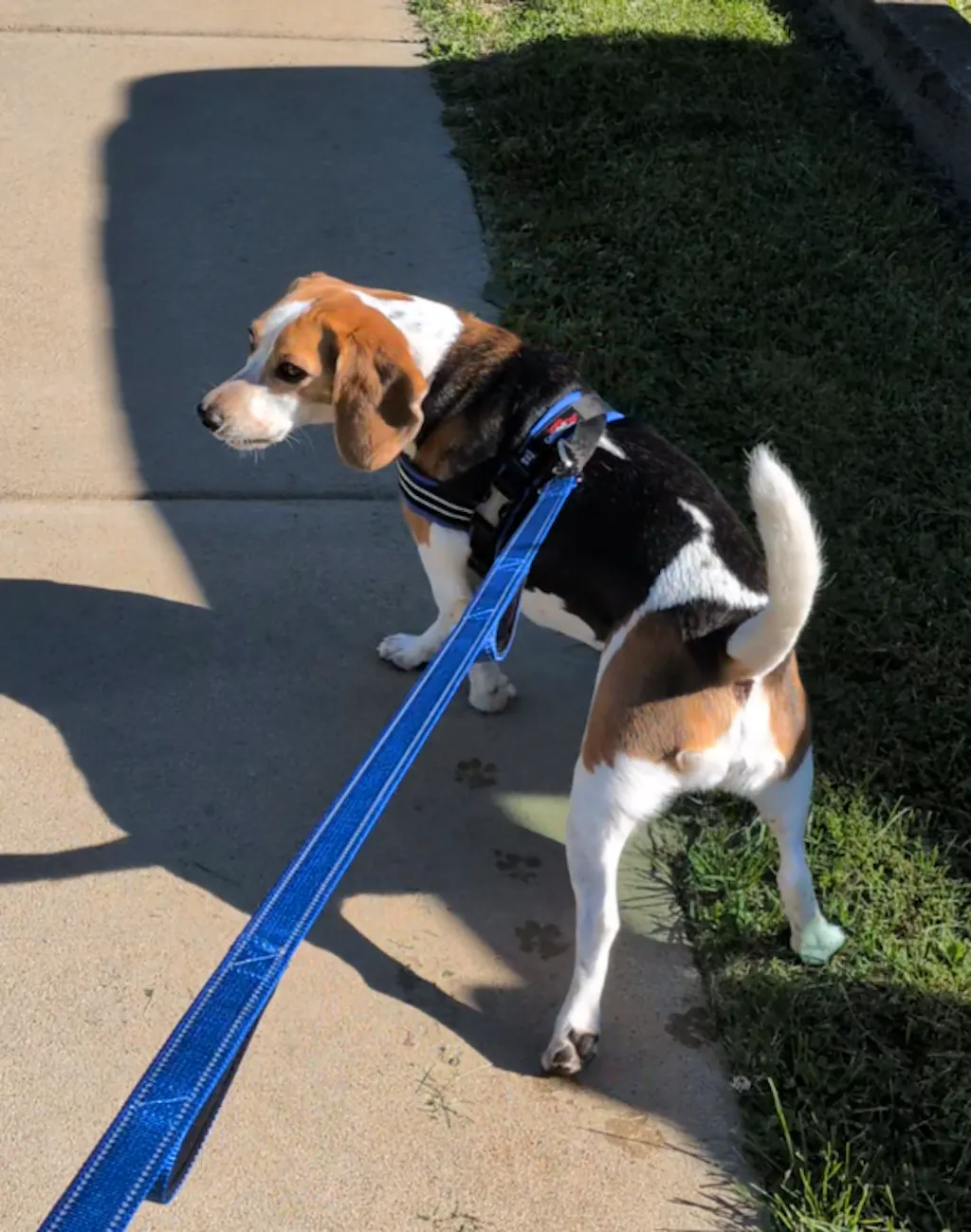
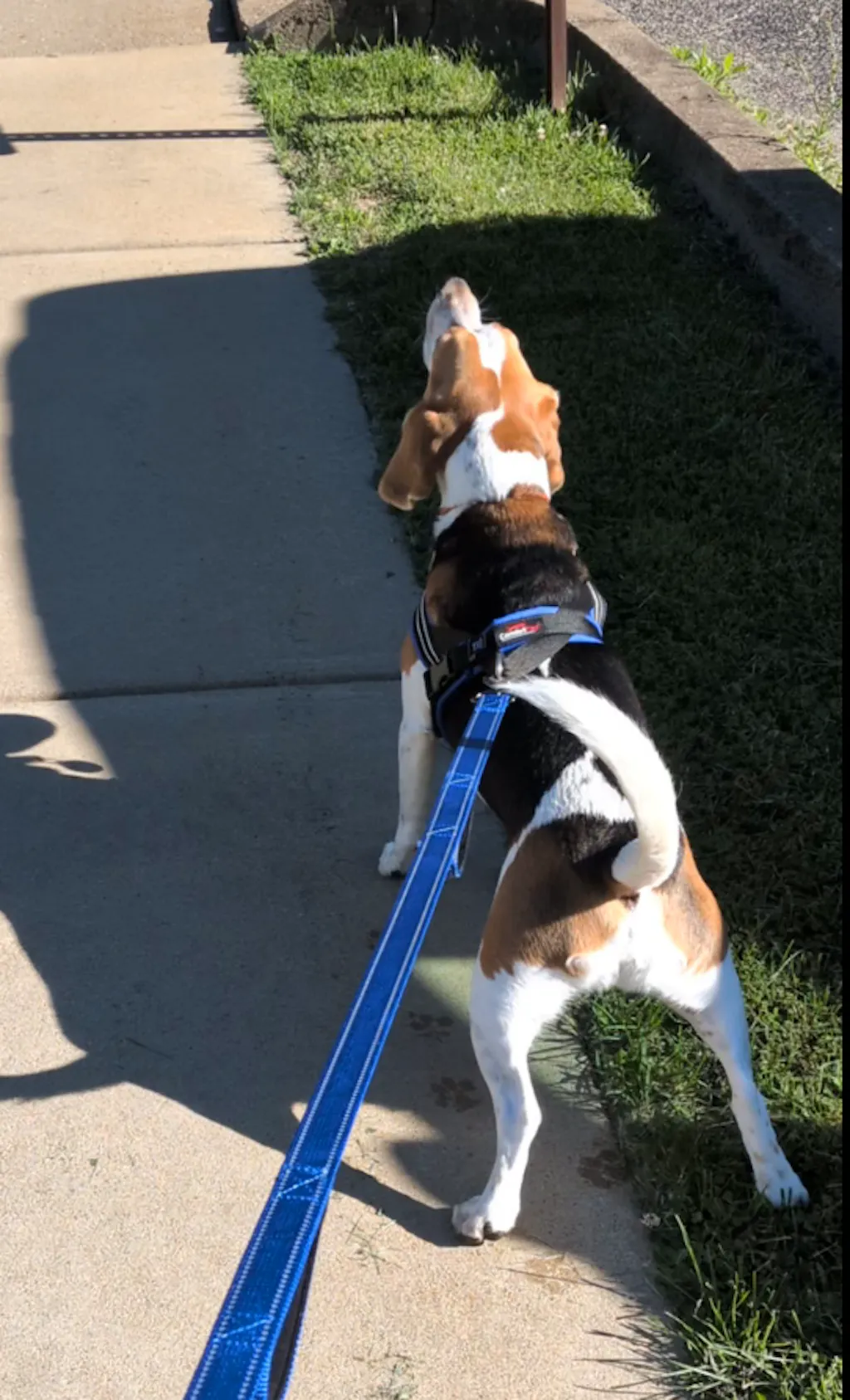
ComfortFlex Dog Harness: Fit, Control, No Choke and No Chafe
Share
If your dog hits the end of the leash at speed - sprinting after a squirrel, lunging at a jogger, or simply surging up a steep trail - you already know the moment that matters most is the moment the gear has to manage force. A harness that shifts, rubs, or rides up doesn’t just feel sloppy. It can change your dog’s stride, interfere with breathing, and turn “control” into a wrestling match.
A Comfortflex dog harness is built for that exact reality: movement, momentum, and real-world handling. The goal is simple and measurable - distribute pressure away from the throat, keep the fit stable through motion, and give you predictable control without punishing your dog.
What a comfortflex dog harness is designed to solve
Most problems people blame on “pulling” are really a fit and force-distribution issue. When a dog accelerates, the leash becomes a line of tension. If that tension concentrates at the neck (flat collars, ill-fitting harnesses, or designs that drift forward), you can see coughing, gagging, or a dog that braces and pulls harder.
Eliminating the "Choke" Factor
A comfortflex dog harness focuses on a no-choke fit by keeping load on the chest rather than the trachea. That matters for everyday walks, but it’s even more critical for running, hiking, and training where speed changes fast and distractions are everywhere.
Gear That Stays Put During High-Movement Activities
It also aims to solve the second problem active owners run into: gear that won’t stay put. High-movement activities expose every weak spot in a harness design - straps that loosen, buckles that sit in high-friction zones, and shapes that creep into the armpits. A performance harness should stay aligned when your dog turns, climbs, or jumps, because you need consistency to communicate through the leash.
Comfortflex dog harness fit: what “correct” actually looks like
Fit is the difference between “my dog hates harnesses” and “my dog forgets it’s on.” The right fit looks boring in the best way: nothing shifts, nothing pinches, and nothing drifts forward when tension hits.
Proper Placement for Leg Rotation
Start with placement. The chest area should sit low enough to avoid the throat but not so low that it interferes with front-leg movement. When your dog is standing square, you should see a clean path for the shoulder to rotate without the harness edge sawing into the armpit.
The Two-Finger Tightness Test
Tightness is where owners often overshoot. Too loose and the harness rotates or slides. Too tight and you get restricted movement and hot spots. A practical check is to slide two fingers under the straps where they contact the body - you want snug contact, not a gap, and not strap tension that dents the coat.
Testing Fit Under Motion
Then test it under motion, not just in the kitchen. Walk a few steps, turn, stop, and apply light leash pressure. If the harness rides up toward the neck, you’re losing the no-choke advantage. If it shifts side-to-side, you’ll feel delayed control when you need quick handling.
Why Sizing is Non-Negotiable
Sizing is the non-negotiable piece. Breed labels are unreliable because dogs aren’t standardized. A lean, deep-chested dog and a stocky dog can weigh the same and need different sizing. If you’re buying online, use a measuring tape and follow a brand-specific sizing guide instead of guessing. ComfortFlexStore keeps sizing resources tight and purchase-friendly for that reason.
Control without harsh handling
Active dog owners usually want the same thing trainers want: clear feedback with minimal conflict. The harness is not a magic fix for pulling, but it can keep training humane and consistent.
Clear Feedback Through Force Distribution
A no-choke harness design helps because it removes the throat penalty from the equation. When your dog hits the end of the leash, the correction is not “pain at the neck.” Instead, the pressure distributes across the body where it’s safer and easier for the dog to interpret without panicking.
That said, “control” still depends on fit and leash handling. If the harness is loose, your dog can torque their body and leverage the pull. If it’s too tight, they may shorten stride and build frustration. The best outcome is a stable fit paired with a plan: reward check-ins, manage distance from triggers, and keep your leash length appropriate for the environment.
Reflective safety features that matter in real conditions
Visibility isn’t a marketing extra when you’re running at 6:30 a.m. or hiking into late afternoon shade. Reflective elements are about giving drivers, cyclists, and other trail users a split-second earlier recognition of “dog” and “handler.”
Passive Safety Layers for Low-Light Visibility
The practical test is simple: your harness should catch light from headlights or a flashlight from multiple angles, not just straight-on. Reflective trim works best when it’s placed where it won’t be covered by fur or gear and where it stays oriented outward even when the dog turns.
Remember the trade-off: reflective material helps others see you, but it doesn’t replace lighting. If you routinely move in low-light, pair reflective gear with a dog light or headlamp. The harness is your passive layer of safety - dependable, always on.
Easy on and off is performance, not convenience
When you’re gearing up for a run or stepping out of the car at a trailhead, you don’t want a wrestling match. Easy on/off isn’t about pampering. It’s about repeatability. The faster and more consistent the routine, the more likely you are to use the right equipment every time.
Reducing Gear Anxiety and Misfit
A harness that goes on the same way, sits the same way, and buckles without twisting straps reduces the chance of misfit. It also reduces the chance you’ll “just use the collar today” because you’re in a rush. That consistency is part of safety, especially for dogs that are strong, reactive, or easily overstimulated at the start of an outing.
Where a comfortflex dog harness shines: run, hike, train
Stability for High-Speed Running
Running exposes bounce, rub, and drifting fit immediately. If the harness slides into the armpits or the chest piece rides up, you’ll see choppy movement and you’ll hear it too - tags clinking, buckles shifting, leash tension changing every stride. A stable performance harness supports a smoother gait and gives you cleaner leash feedback when you need to slow, pass someone, or change direction.
Comfort for Long-Duration Hiking
Hiking adds uneven footing and long duration. Hot spots matter more after miles than they do after a block. Look for a harness setup that stays comfortable when your dog climbs, descends, and side-hills. If you notice hair breakage, redness, or your dog biting at a strap after the hike, that’s not “normal.” It’s friction or pressure that needs adjustment.
Clarity for Neutrality Training
Training demands clarity. Whether you’re working on loose-leash walking, recall, or neutrality around distractions, you need gear that doesn’t add drama. A no-choke harness helps keep the dog’s emotional response lower during mistakes, and a predictable fit helps you deliver consistent reinforcement without the gear becoming the headline.
Common fit problems and what they usually mean
Solving Coughing and Gagging Issues
If your dog coughs or gags on a harness, it’s often riding too high toward the throat or shifting forward under tension. That can happen when sizing is off or when straps are too loose.
Identifying Shoulder Restriction and Rubbing
If your dog’s shoulders look restricted or the stride shortens, the harness may be sitting too far back into the shoulder rotation zone or tightened too much across the front. A good fit lets the front legs extend naturally without the harness edge digging in.
Identifying Shoulder Restriction and Rubbing
If you’re seeing rubbing behind the front legs, check for twisting straps and whether the harness is drifting side-to-side. Sometimes owners tighten to fix shifting, but the real fix is correct size and correct placement.
Addressing Serious Safety Risks Like "Backing Out"
And if your dog can back out of the harness, that’s a serious safety issue. It usually means the harness is too large, adjusted too loosely, or not designed to maintain position under reverse pressure. If you have a dog that spooks and reverses quickly, treat escape resistance as a requirement, not a nice-to-have.
The “it depends” factors: body shape, coat, and behavior
Not every dog experiences the same harness the same way. Deep-chested breeds, barrel-chested dogs, and narrow-headed dogs each stress different parts of the fit. Coat length can also change how a harness sits - thick fur hides looseness until the dog moves, while short coats show friction sooner.
Behavior matters too. A calm dog on a long line and a high-drive dog launching into a sprint create different demands. If your dog is a frequent puller, you’ll feel the value of a stable, no-choke design faster, but you’ll also need to be more disciplined about sizing and adjustment.
The best approach is to treat harness choice like you treat shoes for running: the “right” option is the one that matches the job, the body, and the mileage.
How to keep the harness working over time
Performance gear earns its keep in the details. Recheck strap tension periodically, especially if your dog’s coat changes seasonally or your dog gains or loses weight. After muddy hikes or salt-air runs, clean the harness so grit doesn’t become sandpaper.
Also watch the hardware and reflective elements. Buckles should close cleanly without sticking, and reflective trim should stay intact and visible. If something starts to fray or loosen, address it early. Small failures happen at the worst times - usually when your dog is excited and the environment is busy.
A good harness should disappear into the background of your routine. The walk or run should be the focus, not the equipment.
If you’re choosing a comfortflex dog harness, choose it like an outfitter would: prioritize fit first, then control, then visibility, and make sure it matches the way your dog actually moves. When the gear is right, you’ll feel it in the leash - quieter hands, steadier pace, and more trust in low-light or high-distraction moments. That’s the kind of confidence that gets you out the door on the days you’d normally skip.