Tracheal Collapse vs. Laryngeal Paralysis: Why Your Dog’s Harness Choice is Critical
Share
If your dog is making a scary honking sound, coughing after drinking water, or struggling to catch their breath on hot summer days, you are likely dealing with one of two common, upper-airway respiratory conditions: Tracheal Collapse or Laryngeal Paralysis.
CRITICAL SAFETY ALERT FOR ANXIOUS PET OWNERS
When an airway condition strikes, standard walking configurations act as immediate triggers. Traditional neck collars and high-riding vertical harnesses place sharp friction over compromised cartilage rings. Switching to a true breastbone-centered, horizontal chest strap removes the risk of external compression and preserves their normal breathing rhythm.
Hearing your dog struggle to breathe is terrifying. While these two conditions have completely different anatomical causes, they share one massive, non-negotiable rule: You cannot put a traditional collar or high-sitting neck harness on your dog.
Understanding the critical differences between these conditions will help you manage your dog's respiratory health and reveal why a premium, ergonomically engineered throat-safety solution—like the ComfortFlex Sport No-Choke Harness—is recommended by veterinarians and trainers alike.
The Core Difference: Tracheal Collapse vs. Laryngeal Paralysis
To help your dog, you first need to identify what is happening inside their throat. Both conditions cause breathing distress, but they affect different parts of the airway.
| Feature | Tracheal Collapse | Laryngeal Paralysis ("Lar Par") |
|---|---|---|
| What It Is | A progressive structural weakening of the windpipe. | A neurological failure of the vocal cord muscles. |
| Anatomy Affected | The cartilage rings of the trachea (windpipe) lose rigidity and flatten out like a crushed straw. | The laryngeal cartilages (the doors to the airway) fail to open when the dog inhales. |
| Primary Symptom | A dry, harsh "honking goose" cough, often triggered by excitement, pulling on the leash, or eating/drinking. | A noisy, raspy breathing sound (stridor), heavy panting, voice changes (bark changes), and exercise intolerance. |
| Most Affected Breeds | Small and toy breeds (Yorkshire Terriers, Pomeranians, Chihuahuas, Shih Tzus, Pugs). | Large, older breeds (Labrador Retrievers, Golden Retrievers, Newfoundlands). |
| Primary Danger | Sudden, acute airway obstruction from the windpipe flattening completely during excitement. | Extreme risk of overheating, respiratory distress, and aspiration pneumonia due to food/water entering the open airway. |
Why Traditional Collars and Standard Harnesses Form a Major Hazard
When a dog has upper-airway disease, any external pressure applied directly to the neck can cause irreversible damage.
For a dog with Tracheal Collapse, a brief tug on a collar or a high-riding harness puts direct, blunt force onto already weakened cartilage rings. This causes the windpipe to flatten instantly, sparking a severe, painful coughing fit and further scarring the delicate tissue.
For a dog with Laryngeal Paralysis, neck pressure triggers immediate panic. Because their airway is already partially obstructed by the paralyzed "doors" of the larynx, any additional external compression can send them into an acute respiratory crisis, which can rapidly lead to overheating and a medical emergency.
To keep your pet safe, you must switch to a true no-choke harness that completely clears the neck and throat area.
ComfortFlex Sport Harness
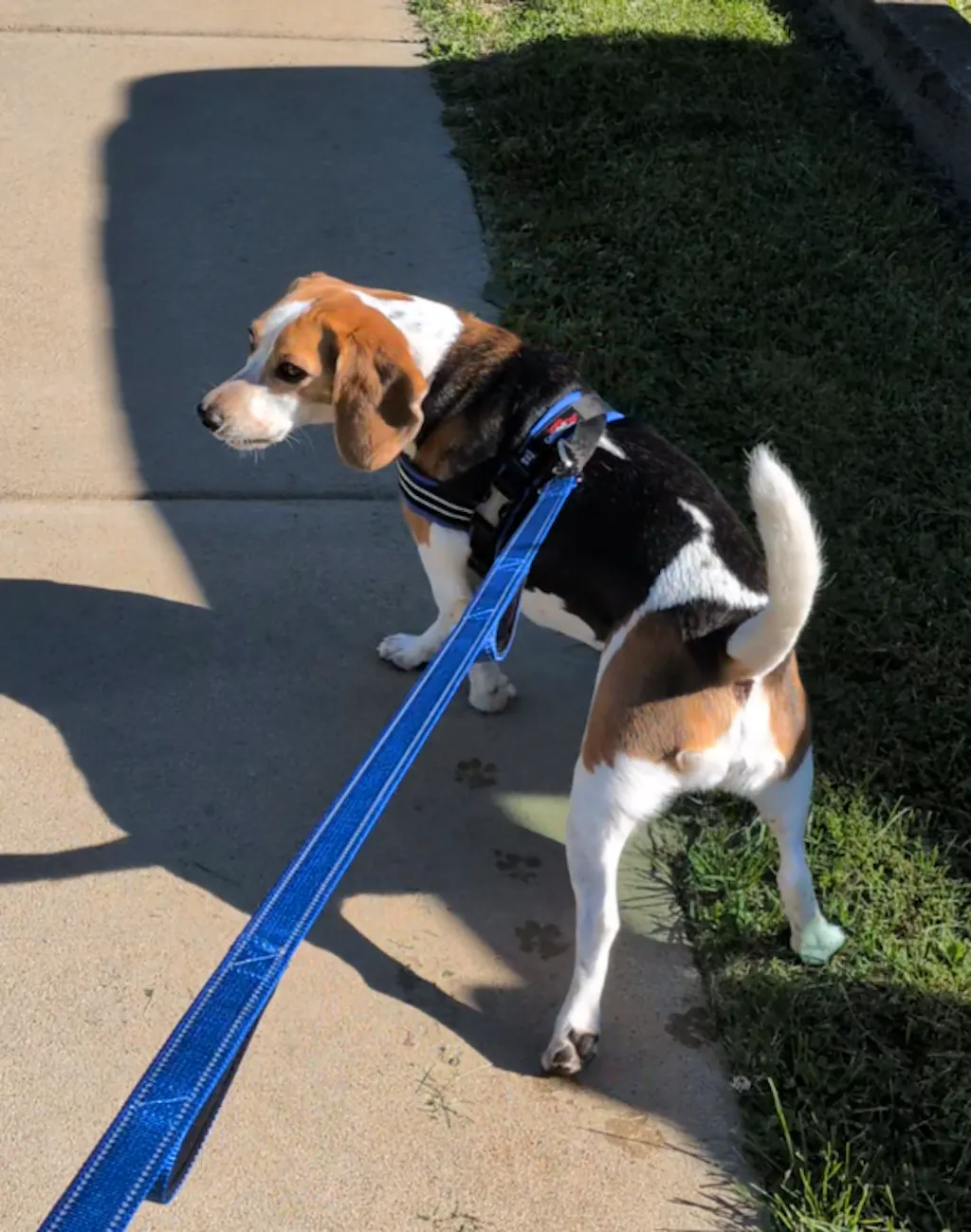
Engineered with an ergonomic, padded horizontal chest-strap that lowers dynamic pressure entirely below the throat line. Hypoallergenic, breathable frame reduces overheating profiles.
Every single ComfortFlex Sport Harness is meticulously designed, cut, assembled, and sewn in the USA, ensuring premium craftsmanship that provides reliable protection for your dog’s airway.
The Solution: The ComfortFlex Sport No-Choke Harness
1. Ergonomic "No-Choke" Chest Design
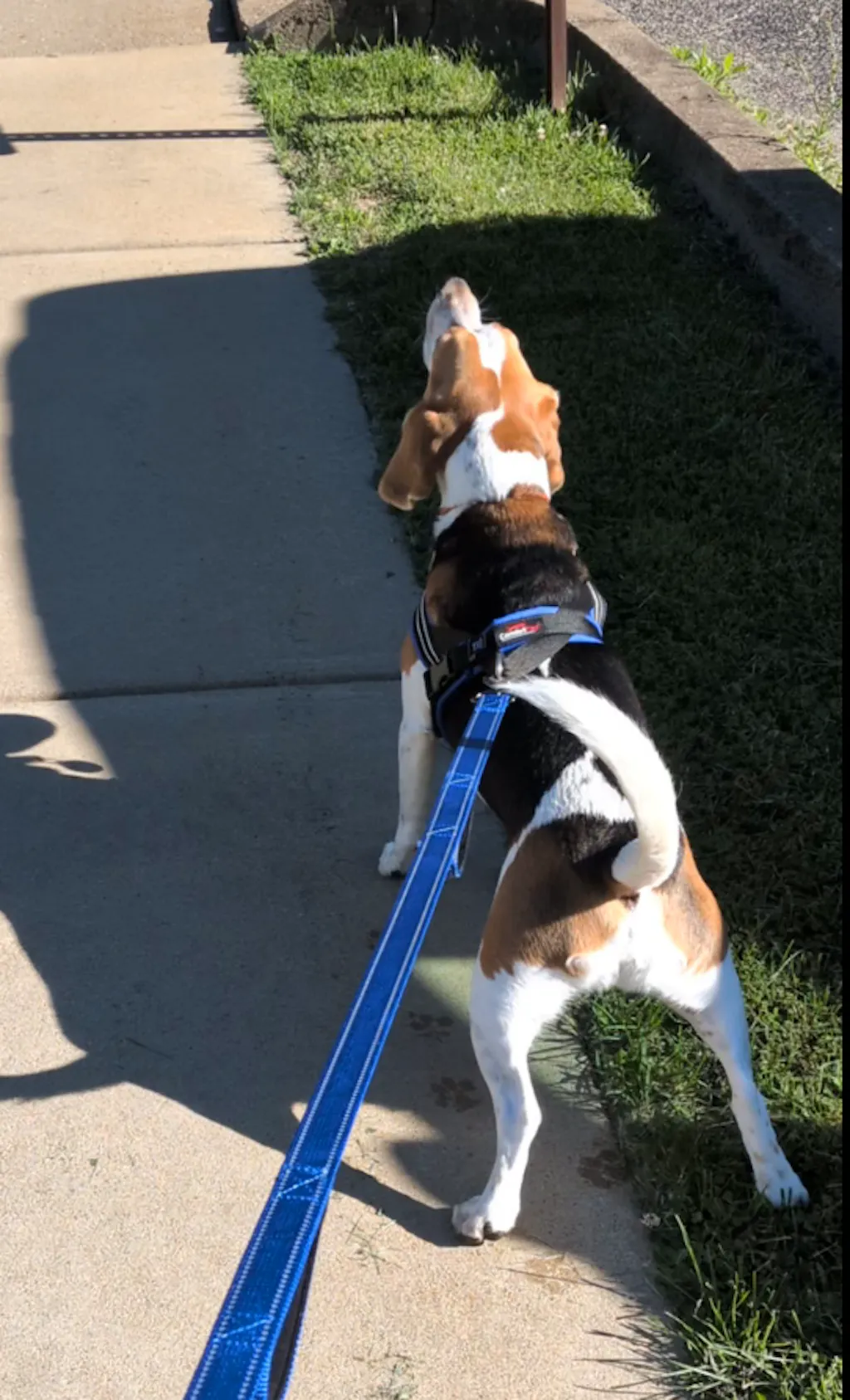
The standout feature of the ComfortFlex Sport is its low-sitting chest bar. The design centers the leash tension squarely against the sturdy breastbone (the sternum) rather than the soft tissue of the throat. When your dog steps forward or pulls, the pressure stays low on the chest, leaving the trachea completely free and unobstructed.
2. Fully Padded, Non-Chafing Construction
Dogs with respiratory conditions are prone to panic when they feel constricted or irritated. The ComfortFlex Sport is fully padded with soft nylon over premium foam—including across the girth strap behind the front legs. This prevents painful chafing and "edge-bite," allowing your dog full range of motion while remaining relaxed and comfortable on walks.
3. Dynamic Leash Connection and Control Handle
The dual-purpose handle and leash connection drops back naturally along your dog’s spine. This smart positioning ensures that even if your dog lunges or pulls hard, the tension forces the harness down and away from the neck, never allowing it to ride up toward the throat. Additionally, the integrated grab-handle lets you gently lift or assist your dog out of a stressful situation without putting any pressure on their airway.
4. Simple, Low-Stress Security
For dogs with respiratory anxiety, getting geared up can trigger an attack. The ComfortFlex Sport offers an incredibly easy on-and-off design: simply slip it over your dog's head, wrap the secure Velcro strap around their girth, and snap the single heavy-duty safety buckle. It takes seconds, keeps your dog calm, and ensures a stable, personalized fit every time.
"My 11-year-old Yorkie has severe tracheal collapse and couldn't walk 5 feet without a terrifying honking cough. I tried 4 different 'no-choke' harnesses and they all rode up on her neck. The ComfortFlex is the only one that stays low on her chest. Zero coughing fits since we made the switch. It literally saved our daily walks!"
— Sarah M. [ Verified Buyer ]
Finding the Perfect Fit: ComfortFlex Sizing Guide
Ensuring your dog gets the exact right size is vital to keeping the chest bar positioned below the throat. Watch our quick video tutorial below to see exactly how to measure your dog for an optimal, throat-safe fit:
Protecting Your Dog’s Airway Starts with the Right Gear
Tracheal Collapse and Laryngeal Paralysis require careful lifestyle management, but keeping your dog active shouldn't mean risking their breathing safety. By switching to an American-made harness that is explicitly designed, cut, assembled, and sewn to keep the throat safe, you protect your dog’s fragile airway on every walk.
Give your dog the comfort of clear, uninhibited breathing. Invest in a ComfortFlex Sport No-Choke Harness today and experience the difference a truly throat-safe design makes.
Our Risk-Free Guarantee
Every domestic order ships free and includes a prepaid return tag. If either you or your dog are unhappy with your purchase, just use the No-Hassle prepaid tag for an easy exchange or full refund.