Limited Slip Collar vs. Martingale: Which One is Right for Your Dog?
Share
A dog backs out of their collar in a parking lot and you learn something fast: “tight enough” is not a strategy. Standard flat collars simply aren’t built to handle dogs that stop, drop their head, and hit reverse. Escape artists don't need harsher gear—they need correct geometry, precise sizing, and hardware that resets instantly under motion. This usually leads owners to two primary options: the Martingale Dog Collar and the Limited Slip Dog Collar. While they look similar at first glance, subtle differences in design and mechanical action make a critical difference in your dog’s safety.
⚠️ CRITICAL SAFETY NOTE: When to Skip the Collar Entirely
Before choosing between a Martingale or a Limited Slip, consider your dog's breed and health. If you have a breed prone to tracheal problems or respiratory distress—such as Pugs, Bulldogs, Yorkies, Chihuahuas, or French Bulldogs—our professional recommendation is to avoid using any collar for leash walking.
Even the best-designed cinch collars can put pressure on the throat if the dog lunges or pulls. For these breeds, a high-quality, non-choking harness is the only way to ensure their airway remains completely protected.
Why Dogs Slip Collars (And Why It Happens Mid-Move)
Most escape attempts are not “magic.” They are physics plus timing. Dogs slip collars when the collar can slide forward past the widest point of the head, usually when they stop, lower their head, and back up. Sighthounds and other narrow-headed dogs are built for this. So are adolescent mixed breeds that have a neck wider than their head, plus a strong reverse gear.
The other common trigger is the moment of surprise: a skateboard, a loose dog, a loud truck. A standard buckle collar can rotate and loosen slightly under twisting, then the dog hits reverse and the collar rides up. If a collar chafes or presses the windpipe, dogs learn to fight it. When they resist pressure, they inadvertently practice the exact movement that helps them slip out.
What is a Martingale Collar?
The traditional Martingale relies on a dual-loop "cinch" system. The large main loop goes around the dog’s neck. A smaller secondary loop—the "control loop"—is where the D-ring for the leash is attached. Often made of narrow 1-inch nylon webbing or chain, tension on the leash pulls the small loop taut, drawing the ends of the large loop together bilaterally from two separate points simultaneously.
The Drawback: It provides immediate tactile feedback, but the dual-loop design creates extra "clunky" material. The control loop can dangle when off-tension, creating a snag risk in high-speed environments, thick brush, or inside crates. Additionally, the loop-on-loop construction creates a "gathering" friction effect that can sometimes stick or hang open even after the dog stops pulling.
What is a Limited Slip Collar?
The Limited Slip collar is the modern, streamlined evolution of the Martingale, designed for a sleek, "no-snag" profile.
Unlike the Martingale’s two-loop system, a limited slip operates on an inline sliding action. There is no secondary loop hanging off the collar. Instead, the high-tensile nylon webbing passes through a specialized metal slide. When the dog pulls, the collar reduces its own circumference in a smooth, direct motion until the D-ring hits the metal "stop."
Managing a Master Escape Artist?
The ComfortFlex Limited Slip Collar tightens instantly to a safe, fixed stop when your dog hits reverse—preventing slip-outs without choking.
Shop the Padded Limited Slip Collar →Engineering the Perfect "Reset": Why Mechanics Matter
The secret to effective training is the immediate release of pressure. In many mass-market martingales, the dual-loop system can "stick" or hang open even after the dog stops pulling, leading to muddy, confusing communication. Our design ensures the padded nylon fabric—which features a comfortable foam core—is entirely separate from the slip portion of the collar.
Because the padded material is not involved in the cinching action, the high-tensile webbing moves through the hardware with zero interference. The moment you relax your hand, the collar instantly resets to its neutral, comfortable position. This instant on/off feedback provides a clear tactile language that is both authoritative and humane.
💡 Pro Tip: The "Friction Trap"
A common misconception is that a martingale should be padded all the way around, including the loop. However, padding the "slip" portion creates unnecessary friction, which causes the collar to "hang" instead of releasing. By keeping the limited slip portion as pure, high-tensile webbing, we ensure the hardware slides instantly, providing the immediate release feedback that high-level trainers and handlers rely on.
Why ComfortFlex Limited Slip Collars are the Premium Choice
While many collars claim to be escape-proof, the ComfortFlex Limited Slip Collar is engineered specifically for the physics of an active dog. It moves beyond basic webbing to provide a "no-choke" experience through a precisely limited cinching action.
- Fully Padded Construction: Because it is a continuous loop, the wide cushioning wraps almost entirely around the neck. This distributes the force of a pull across a larger surface area, preventing the fur breakage and skin irritation that causes dogs to fight their gear.
- Integrated Reflective Safety: Our high-tensile webbing includes a highly reflective woven element integrated directly into the fibers. It won't crack, peel, or fade, ensuring your dog is seen during early morning runs or late-night trailhead returns.
- American-Made Durability: Designed, cut, assembled, and sewn in New York, these collars use high-quality hardware designed to hold its setting even under high torque or wet conditions.
- Safety-First Geometry: The low-profile silhouette stays flush to the dog's neck when relaxed but tightens instantly to a fixed, safe limit the moment your dog hits reverse.
Fit is the Main Safety Feature
You can buy the right style and still lose the battle if the fit is off. For escape artists, you are aiming for secure without constant compression.
Measure high on the neck, just behind the ears, not down at the base where most people measure. Escape attempts happen up high. If you size off the lower neck, the collar will be too large where it matters.
How to Size the Limited Slip Collar:
Confirm two things: at its relaxed setting, it cannot slide forward over the head; when leash-loaded, it tightens to a firm, controlled stop without choking.
Shop the Padded Limited Slip Collar →Collar vs. Harness: Building an Escape-Proof System
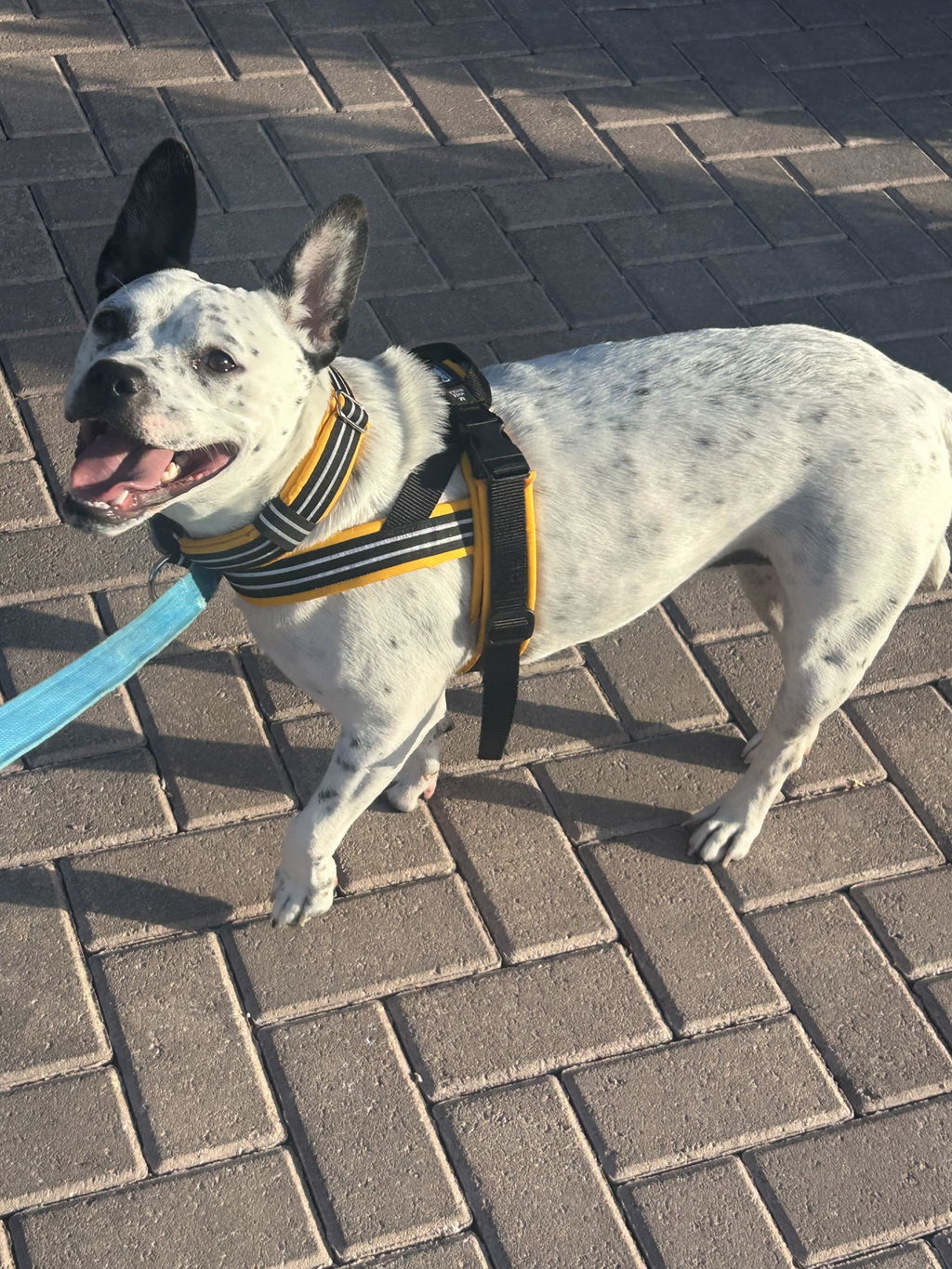
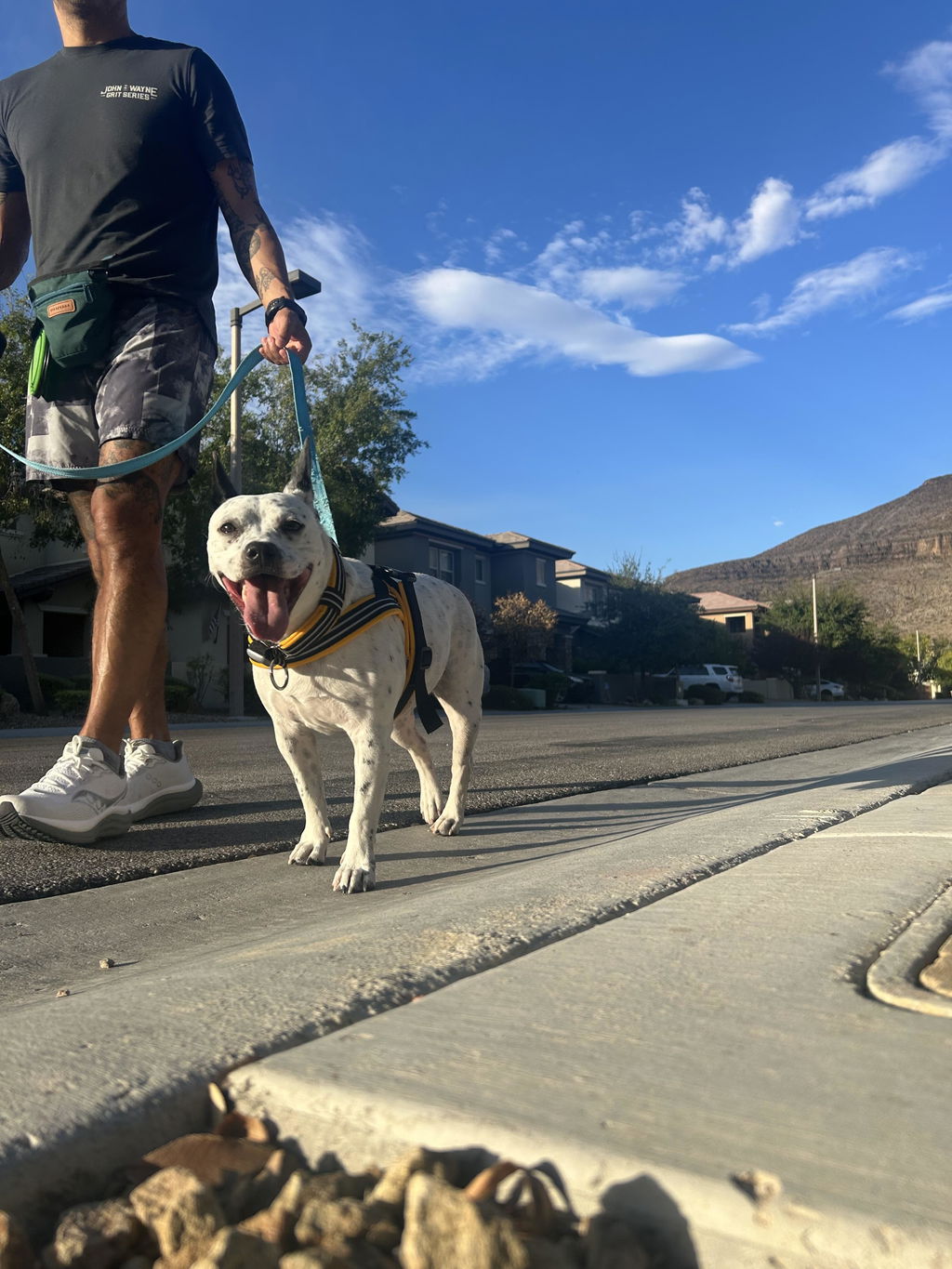
If your dog has already slipped a collar, think in systems rather than individual pieces of gear. A ComfortFlex Limited Slip Collar is ideal for controlled walking and training. For high-risk escape artists, trail hikes, or reactive dogs near traffic, pairing it with the non-restrictive ComfortFlex Sport Harness provides the ultimate dual-attachment safety net.
Why Buy ComfortFlex Direct: The "Risk-Free" Direct Advantage
- Fast Factory Processing: Every ComfortFlex collar and harness is designed, cut, assembled and sewn straight from our clean, climate-controlled New York manufacturing floor. We ship every order the same day or the following business day.
- Risk-Free Domestic Shopping: Every US order ships Free and includes a prepaid return label in the box. If the fit isn't completely perfect, exchanging for a different size or color is effortless.
- Guaranteed Fresh Inventory: We manufacture our own equipment, which means we carry all 10 sizes across our full catalog of 11 vibrant colors and 2 patriotic patterns without backorder delays.
- Maximum Savings: By buying direct rather than through big-box platforms with inflated listing fees, those savings stay with you. Combine our product bundle savings with our first-time subscriber discount to save up to 15%.
- $7.00 Flat-Rate International Shipping: Simple, transparent flat-rate shipping to working dogs and canine athletes worldwide.
★ Rated 4.9/5 By Thousands of Dog Parents
SHOP THE PADDED LIMITED SLIP COLLARShop the ComfortFlex No-Choke - No Chafe Harness
Free US Shipping | Prepaid Return Label Included in Every Box
★ Free US Shipping & Free Returns
Shop Limited Slip →